Site-aware planning
Existing grades, sun and shade, access, views, and the relationship between the home and yard shape the direction.
The strongest landscapes connect how a property looks with how it needs to work. A useful plan considers movement, sunlight, drainage, existing features, mature plant size, and the amount of upkeep a homeowner wants before installation begins.
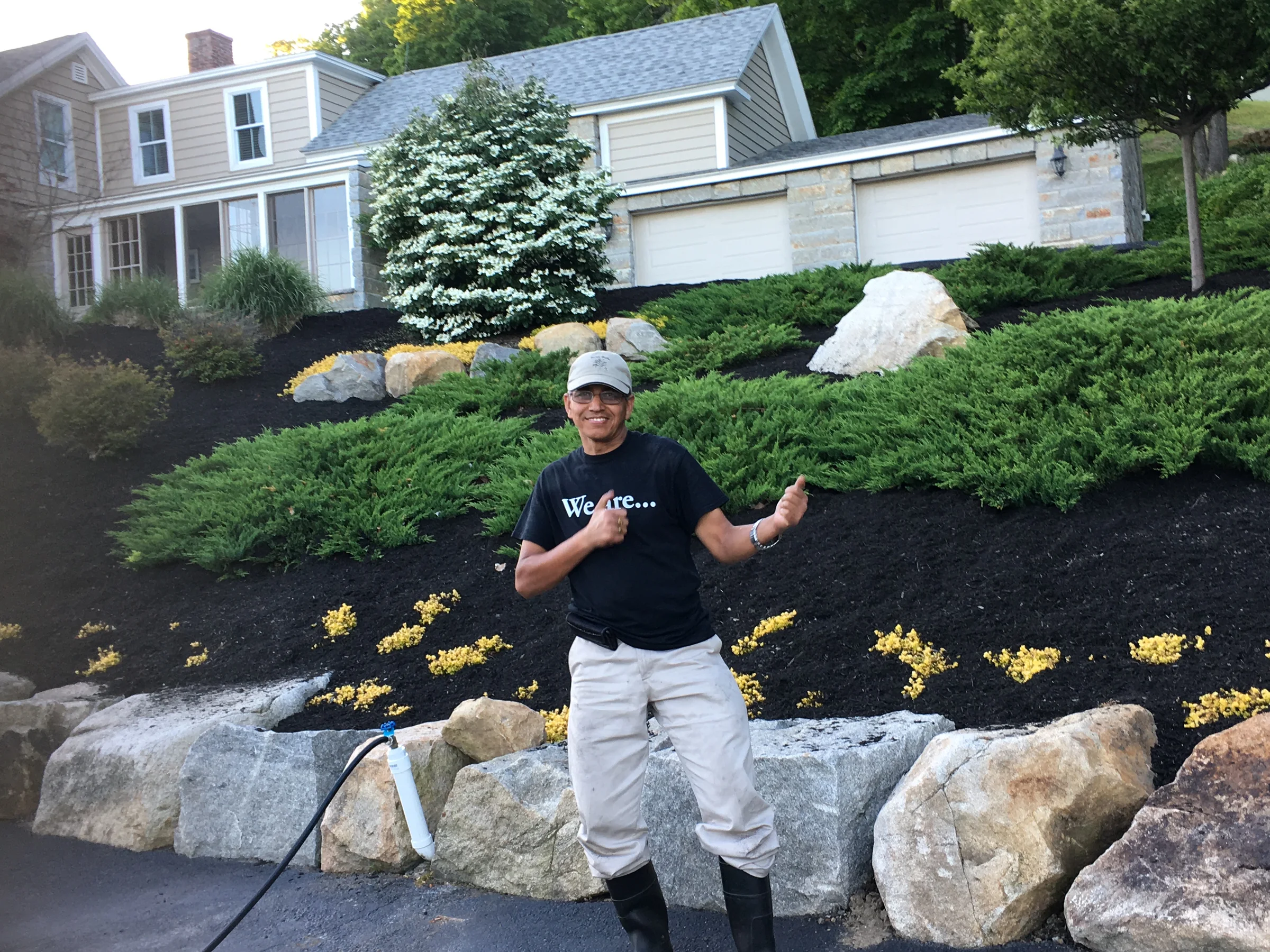
A cohesive outdoor plan can prevent disconnected beds, crowded plants, and improvements that compete for the same space.
Existing grades, sun and shade, access, views, and the relationship between the home and yard shape the direction.
Plant placement should account for mature size, seasonal interest, spacing, and how each bed connects to the larger property.
Garden and planting work, bed preparation, mulching, and related landscape installation turn the plan into a usable space.
Maintenance expectations belong in the design conversation so the finished landscape fits the way you want to care for it.
Appearance matters, but drainage, soil conditions, sun exposure, and plant growth often decide whether a landscape remains comfortable and manageable. These site factors should be discussed early.
Decide where you need circulation, privacy, gathering space, open lawn, or a stronger view from inside the home.
Notice where runoff moves, where water lingers, and how downspouts or hard surfaces relate to proposed beds.
Plan for the size and form plants can reach instead of judging spacing only on installation day.
A useful design process connects circulation, water, sunlight, mature plant size, and future upkeep before bed lines or plant quantities are finalized.
Start with the problems to solve and the way you want to use or see the space.
Review sunlight, grades, drainage patterns, existing plants, access, and features that will remain.
Coordinate preparation, planting, bed work, and any hardscape elements in a sensible order.
Discuss watering, pruning, mulching, and seasonal upkeep appropriate to the installed landscape.
Yes. Landscape Design & Installation is a listed Green State Landscaping service, allowing homeowners to discuss the plan and the work needed to install it.
Consider how you want to use the space, which existing features should stay, the amount of maintenance you prefer, and any drainage, privacy, or access concerns.
Plants that fit on installation day can crowd walks, windows, other plants, or the house as they grow. Planning for mature size supports better spacing and easier care.
Share the service, location, and main concern. Green State Landscaping will review the request and follow up about the estimate.